
Infection Prevention CBG
Infection Prevention during Blood Glucose Monitoring and Insulin Administration
Summary
The Centers for Disease Control and Prevention (CDC) has become increasingly concerned about the risks for transmitting hepatitis B virus (HBV) and other infectious diseases during assisted blood glucose (blood sugar) monitoring and insulin administration.
CDC is alerting all persons who assist others with blood glucose monitoring and/or insulin administration of the following infection control requirements:
- Fingerstick devices should never be used for more than one person
- Whenever possible, blood glucose meters should notbe shared. If they must be shared, the device should be cleaned and disinfected after every use, per manufacturer’s instructions. If the manufacturer does not specify how the device should be cleaned and disinfected then it should not be shared.
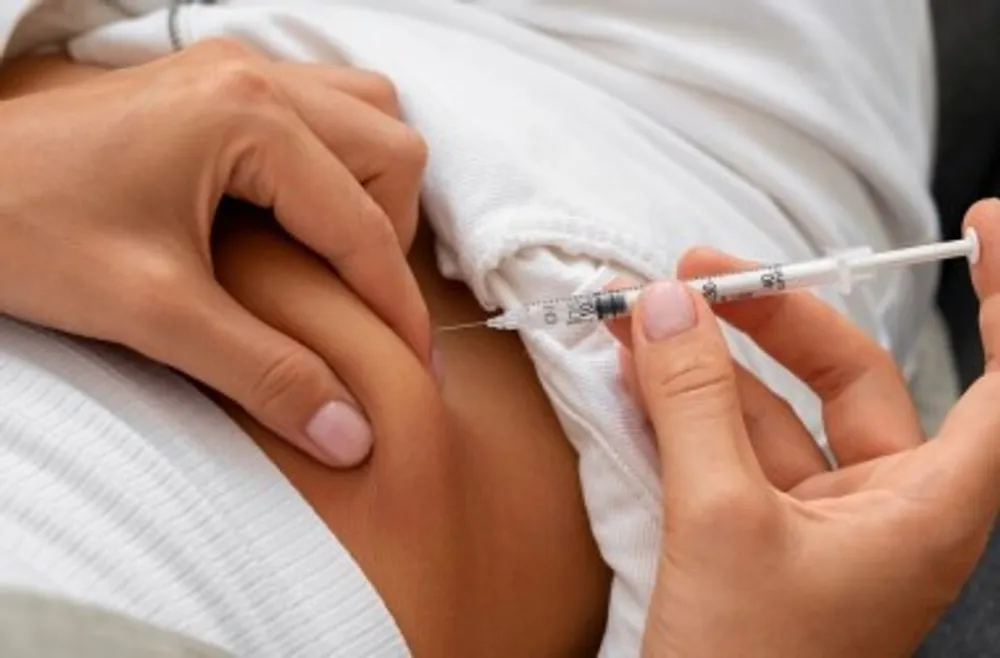
- Insulin pens and other medication cartridges and syringes are for single-patient-use only and should never be used for more than one person
Blood Glucose Monitoring and Insulin Administration
Monitoring of blood glucose levels is frequently performed to guide therapy for persons with diabetes. Blood glucose monitoring and insulin administration can be accomplished in two ways: self-monitoring of blood glucose and insulin administration, where the individual performs all steps of the testing and insulin administration themselves, and assisted monitoring of blood glucose and insulin administration, where another person assists with or performs testing and insulin administration for an individual.
Examples of settings where assisted monitoring of blood glucose and insulin administration may occur include:
- Hospitals or clinics
- Long-term care settings such as nursing homes and assisted living facilities
- Senior centers
- Health fairs
- Correctional facilities
- Schools or camps
Unsafe Practices During Blood Glucose Monitoring and Insulin Administration
An underappreciated risk of blood glucose testing is the opportunity for exposure to bloodborne viruses (HBV, hepatitis C virus, and HIV) through contaminated equipment and supplies if devices used for testing and/or insulin administration (e.g., blood glucose meters, fingerstick devices, insulin pens) are shared.
Outbreaks of hepatitis B virus (HBV) infection associated with blood glucose monitoring have been identified with increasing regularity, particularly in long-term care settings, such as nursing homes and assisted living facilities, where residents often require assistance with monitoring of blood glucose levels and/or insulin administration. In the last 10 years, alone, there have been at least 15 outbreaks of HBV infection associated with providers failing to follow basic principles of infection control when assisting with blood glucose monitoring. Due to under-reporting and under recognition of acute infection, the number of outbreaks due to unsafe diabetes care practices identified to date are likely an underestimate.
Although the majority of these outbreaks have been reported in long-term care settings, the risk of infection is present in any setting where blood glucose monitoring equipment is shared or those assisting with blood glucose monitoring and/or insulin administration fail to follow basic principles of infection control. For example, at a health fair in New Mexico in 2010, dozens of attendees were potentially exposed to bloodborne viruses when fingerstick devices were inappropriately reused for multiple persons to conduct diabetes screening. Additionally, at a hospital in Texas in 2009, more than 2,000 persons were notified and recommended to undergo testing for bloodborne viruses after individual insulin pens were used for multiple persons.
CDC Medscape Commentary
Don’t Do It: Sharing Insulin Pens Jeopardizes Patients [ 3:26 ]external icon
February 21, 2012
Unsafe practices during assisted monitoring of blood glucose and insulin administration that have contributed to transmission of HBV or have put persons at risk for infection include:
- Using fingerstick devices for more than one person
- Using a blood glucose meter for more than one person without cleaning and disinfecting it in between uses
- Using insulin pens for more than one person
- Failing to change gloves and perform hand hygiene between fingerstick procedures
Best Practices for Assisted Blood Glucose Monitoring and Insulin Administration
The following are infection control recommendations that anyone who performs or assists with blood glucose monitoring and /or insulin administration should review to assure they are not placing themselves or persons in their care at risk.
These recommendations apply not only to licensed healthcare facilities but also to any setting where fingerstick procedures are performed and/or insulin is administered, including assisted living or residential care facilities, clinics, health fairs, shelters, detention facilities, schools, and camps. Protection from bloodborne viruses and other infections is a basic requirement and expectation anywhere healthcare is provided.
Fingerstick Devices
Fingerstick devices, also called lancing devices, are devices that are used to prick the skin and obtain drops of blood for testing. There are two main types of fingerstick devices: those that are designed for reuse on a single person and those that are disposable and for single-use.
- Reusable Devices:These devices often resemble a pen and have the means to remove and replace the lancet after each use, allowing the device to be used more than once. Some of these devices have been previously approved and marketed for multi-patient use, and require the lancet and disposable components (platforms or endcaps) to be changed between each patient. However, due to failures to change the disposable components, difficulties with cleaning and disinfection after use, and their link to multiple HBV infection outbreaks, CDC recommends that these devices never be used for more than one person. If these devices are used, it should only be by individual persons using these devices for self-monitoring of blood glucose.
- Single-use, auto-disabling fingerstick devices:These are devices that are disposable and prevent reuse through an auto-disabling feature. In settings where assisted monitoring of blood glucose is performed, single-use, auto-disabling fingerstick devices should be used.
Blood Glucose Meters
Blood glucose meters are devices that measure blood glucose levels.
- Whenever possible, blood glucose meters should be assigned to an individual person and not be shared.
- If blood glucose meters must be shared, the device should be cleaned and disinfected after every use, per manufacturer’s instructions, to prevent carry-over of blood and infectious agents. If the manufacturer does not specify how the device should be cleaned and disinfected then it should not be shared.